
 Español
 Pусский
 العربية
 中文
中文

Thermal Management Onboard Power Supply
Thermal Management in Onboard Power Supply Systems Thermal management is a critical aspect of onboard power supply systems, ensuring reliable operation, longevity, and efficiency of electronic components. As power supplies generate heat during operation, effective thermal control is necessary to prevent overheating, which can degrade performance, reduce lifespan, or even cause catastrophic failure. Challenges in Thermal Management Power supplies convert and regulate electrical energy, producing heat due to inefficiencies in components like transformers, switching transistors, and rectifiers. High-power-density designs, compact form factors, and harsh operating environments (e.g., automotive, aerospace, or industrial applications) exacerbate thermal challenges. Excessive heat can lead to: - Component degradation: Elevated temperatures accelerate aging in semiconductors and capacitors. - Reduced efficiency: Many power electronics exhibit lower efficiency at higher temperatures. - Safety risks: Overheating may trigger thermal shutdowns or, in extreme cases, cause fires. Thermal Management Techniques To mitigate these risks, several strategies are employed: 1. Heat Sinks Passive cooling using aluminum or copper heat sinks dissipates heat through conduction and convection. Finned designs increase surface area for better airflow. 2. Forced Air Cooling Fans or blowers enhance convective heat transfer, particularly in high-power or confined spaces. However, moving parts introduce reliability concerns. 3. Thermal Interface Materials (TIMs) Thermal pads, greases, or phase-change materials improve heat conduction between components and heat sinks. 4. Liquid Cooling In high-power applications, liquid cooling systems (e.g., cold plates or heat pipes) offer superior heat transfer compared to air cooling. 5. PCB Design Optimization - Copper pours: Thick copper layers spread heat across the board. - Via arrays: Thermal vias transfer heat from components to inner layers or heatsinks. - Component placement: Strategic positioning minimizes hot spots. 6. Active Thermal Control Temperature sensors and feedback loops adjust power delivery or cooling mechanisms dynamically. Material Considerations Materials with high thermal conductivity (e.g., aluminum nitride for substrates) are preferred. Encapsulation materials must also balance thermal performance with electrical insulation. Conclusion Effective thermal management in onboard power supplies is essential for reliability and efficiency. A combination of passive and active cooling methods, along with intelligent design, ensures optimal performance across diverse applications. Future advancements in materials and cooling technologies will further enhance thermal handling in compact, high-power systems.
Products
Category:
-
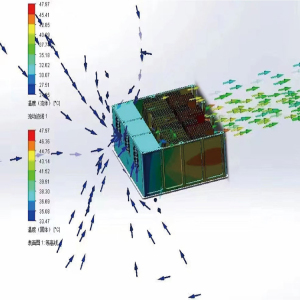
Thermal Simulation of Onboard Power Supply
Category: Tethered Drone Power SupplyBrowse number: 33Number:Release time: 2025-11-06 18:00:00Section 1: Troubleshooting and Failure Analysis Through Thermal Simulation Thermal simulation serves as a powerful diagnostic tool for identifying and resolving power supply issues before they manifest in physical systems. Understanding common failure patterns and their thermal signatures enables proactive maintenance and rapid problem resolution. Identifying Common Thermal-Related Failure Modes Thermal simulation excels at pinpointing specific failure mechanisms that plague onboard power supplies. Component-level overheating often reveals itself through simulated hotspots at semi...
News
Category:
No search results found!
Case
Category:
No search results found!
Video
Category:
No search results found!
Download
Category:
No search results found!
Job
Category:
No search results found!
Featured Products
No search results found!



 WhatsApp
 Phone
Phone